
- Verity Medical Practice
- GP Belconnen
- August 20, 2026
- No Comments
Weight Loss Consultation in Belconnen | Verity Medical Practice
Maintaining a healthy weight can be challenging, especially when work, family commitments, stress, sleep, eating habits, medications, and other lifestyle factors all play a role. For many people in Belconnen and across Canberra, trying to lose weight through diet and exercise alone may feel frustrating when progress is slow or difficult to maintain.
A Weight Loss Consultation in Belconnen can provide a more structured and personalised approach. Instead of focusing only on the number on the scales, a GP can help assess your overall health, understand factors that may be affecting your weight, and discuss practical strategies that fit your everyday life.
At Verity Medical Practice, weight management can be approached as part of your broader health and wellbeing. A consultation may include discussion of nutrition, physical activity, sleep, stress, existing health concerns, medications, goals, and appropriate follow-up.
The aim is not simply short-term weight loss. A sustainable approach focuses on helping you build healthier habits and supporting your long-term health.
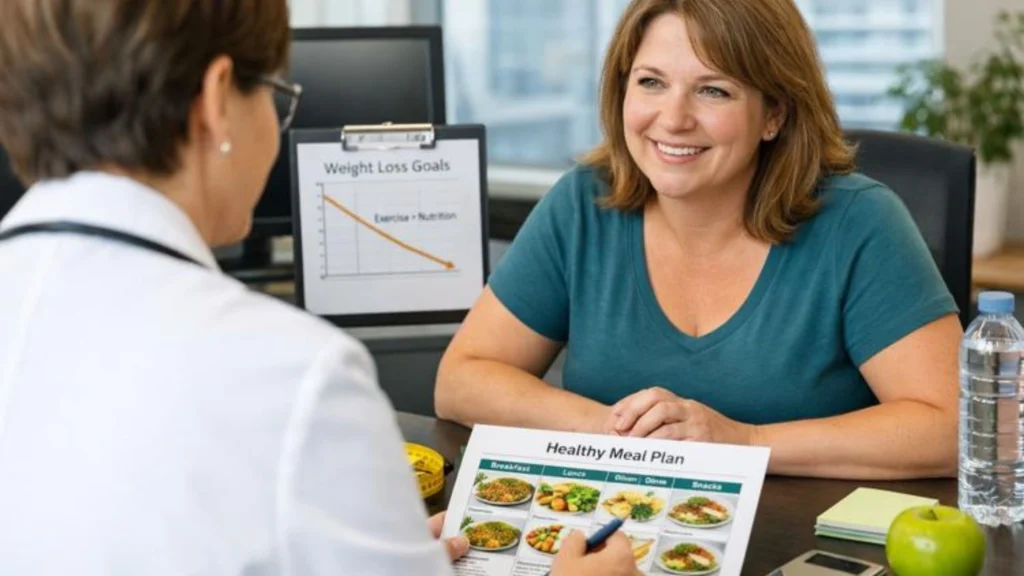
Why Weight Management Deserves a Personalised Approach
Weight can be influenced by many different factors. Two people may follow similar diets and activity routines but experience very different results.
Some factors that can influence weight include:
- Eating patterns and portion sizes
- Physical activity levels
- Sleep quality and sleep duration
- Stress and emotional wellbeing
- Family and genetic factors
- Certain medical conditions
- Some medications
- Alcohol intake
- Work routines and lifestyle habits
- Previous dieting and weight-loss attempts
This is why a one-size-fits-all diet plan may not be suitable for everyone.
A GP consultation provides an opportunity to look at the bigger picture rather than concentrating only on calorie intake or body weight.
What Happens During a Weight Loss Consultation?
A weight management consultation is generally a conversation between you and your GP about your current health, your goals, and the challenges you are experiencing.
Your GP may ask about your:
- Current weight and weight history
- Eating and drinking habits
- Exercise and daily activity
- Sleep routine
- Stress levels
- Medical history
- Current medications
- Previous attempts to lose weight
- Family health history
- Lifestyle and work patterns
Depending on your circumstances, your GP may also discuss relevant health measurements or investigations.
The purpose is to identify realistic next steps rather than recommending an extreme or unsustainable approach.

Understanding Your Weight Loss Goals
Before starting any weight-management plan, it can be useful to understand what you actually want to achieve.
Your goal may be to:
- Improve general fitness
- Reduce health risks associated with excess weight
- Increase energy levels
- Become more physically active
- Improve eating habits
- Support better sleep
- Manage an existing health concern
- Feel more comfortable during everyday activities
- Maintain weight after previous weight loss
Your GP can help you establish realistic goals based on your individual circumstances.
Rather than setting an unrealistic target, it can be more helpful to focus on gradual improvements that you can maintain over time.
Weight Loss Is About More Than Diet

Diet is an important part of weight management, but it is not the only factor.
A sustainable approach may consider several areas of your lifestyle.
Nutrition
Healthy eating does not necessarily mean following a highly restrictive diet.
A practical approach may involve improving the overall quality of your meals, understanding portions, increasing nutrient-rich foods, and developing eating habits that you can maintain.
Depending on your circumstances, your GP may discuss:
- Balanced meals
- Fruit and vegetables
- Protein-rich foods
- Whole grains and high-fibre foods
- Portion awareness
- Regular meal patterns
- Sugary drinks and highly processed foods
- Eating habits at work or while travelling
The right approach will depend on your individual needs.
Physical Activity
Regular movement can support weight management and improve overall health.
Physical activity does not have to mean spending hours at the gym.
Depending on your fitness level, preferences, and health, activity may include:
- Walking
- Cycling
- Swimming
- Strength exercises
- Recreational sports
- Household activities
- Active commuting
- Structured exercise programs
If you have not been physically active for some time, starting gradually may be more practical than immediately choosing an intensive exercise routine.
Sleep
Sleep is often overlooked when people think about weight management.
Poor sleep can affect energy, appetite, food choices, mood, and motivation to exercise.
Discussing your sleep routine during a GP consultation may therefore be useful, particularly if you regularly experience difficulty sleeping, excessive daytime tiredness, or an inconsistent sleep schedule.
Stress and Emotional Wellbeing
Stress can influence eating patterns and daily activity.
Some people find themselves eating more when they are stressed, while others struggle to maintain regular meals or exercise routines.
Weight management should therefore consider your overall wellbeing rather than treating food and exercise as isolated issues.
If stress, emotional eating, low mood, or other wellbeing concerns are affecting your lifestyle, speaking with a healthcare professional can be an important part of your overall care.
Health Conditions That May Affect Weight
Sometimes weight changes occur alongside other health concerns.
Depending on your symptoms and medical history, your GP may consider whether further assessment is appropriate.
For example, weight management may need to be considered alongside conditions such as:
- Type 2 diabetes
- High blood pressure
- High cholesterol
- Sleep-related problems
- Hormonal or metabolic concerns
- Joint problems
- Cardiovascular risk factors
This does not mean that a particular medical condition is responsible for weight gain. Instead, it highlights why an individual health assessment can be useful.
Your GP can determine whether additional checks or investigations are appropriate for you.
Reviewing Medications and Weight
Some medicines can influence appetite, fluid balance, metabolism, or body weight.
If you have noticed weight changes after starting or changing a medication, discuss this with your GP.
Do not stop or change prescribed medication without medical advice.
Your GP can review your medicines and determine whether any changes need to be considered. The decision will depend on why the medication was prescribed, your health needs, and the available alternatives.
Creating a Sustainable Weight Management Plan
For families, influenza can move quickly from one household member to
A successful weight-management plan should fit into your real life.
A plan that is too restrictive may be difficult to maintain. Similarly, an exercise routine that does not suit your schedule may quickly become difficult to follow.
A practical plan may include several small changes.
For example:
- Set a realistic health goal.
- Identify one or two habits that need improvement.
- Make manageable changes to meals.
- Increase regular movement.
- Improve sleep habits where possible.
- Monitor progress over time.
- Review challenges rather than giving up after setbacks.
- Adjust the plan when your circumstances change.
Small improvements can become more sustainable when they are repeated consistently.
Why Extreme Diets May Not Be the Best Long-Term Solution
Many weight-loss programs promise rapid results.
However, very restrictive approaches can be difficult to maintain and may not provide a balanced approach to nutrition.
A sustainable weight-management strategy usually focuses on habits that can continue after the initial weight-loss period.
This may mean avoiding an “all-or-nothing” mindset.
For example, eating an unhealthy meal does not mean that the entire week has been unsuccessful. Similarly, missing an exercise session does not mean that you need to abandon your routine.
Long-term progress is often about returning to healthy habits after setbacks.

The Role of a GP in Weight Management
A GP can play an important role in helping you understand your health while you work toward your weight-management goals.
During a Weight Loss Consultation gp appointment, your doctor can discuss your concerns and help determine an appropriate approach based on your medical history and circumstances.
A GP may help with:
- General health assessment
- Weight-management planning
- Lifestyle advice
- Monitoring relevant health measurements
- Identifying possible health concerns
- Reviewing medications
- Discussing appropriate investigations
- Monitoring progress
- Referring to other healthcare professionals when appropriate
The exact care provided will depend on your individual situation.
When Additional Healthcare Support May Help
Weight management can involve more than one healthcare professional.
Depending on your needs, your GP may recommend additional support from an appropriately qualified professional, such as a dietitian, exercise professional, psychologist, or other healthcare provider.
This can be particularly useful when you need specialised nutritional advice, support with behaviour change, or assistance managing another health concern.
A team-based approach can help address different aspects of your health.
Weight Management for Busy Belconnen Lifestyles
People living and working around Belconnen may have different routines and responsibilities.
Work schedules, commuting, family commitments, study, social activities, and limited time can all affect eating and exercise habits.
A realistic weight-management plan should take these factors into account.
For example, instead of planning meals that require extensive preparation every day, you may benefit from simple options that fit your schedule.
Similarly, if you cannot commit to long gym sessions, incorporating regular walking or short activity periods into your day may be more practical.
The most useful strategy is often the one you can realistically continue.
Weight Loss and Long-Term Health
Weight management is not simply about appearance.
For some people, achieving and maintaining a healthier weight may support improvements in several areas of health. Depending on your individual circumstances, weight management may form part of a broader strategy for reducing certain health risks.
Your GP can help you understand how your weight relates to your overall health.
It is also important to remember that health cannot be determined by body weight alone. A complete assessment considers your medical history, lifestyle, symptoms, physical activity, nutrition, and other relevant factors.
Tracking Your Progress
The scales are only one way to monitor progress.
Depending on your goals, you may also notice changes in:
- Fitness
- Energy
- Physical activity
- Eating habits
- Sleep
- Waist measurement
- Blood pressure
- Blood glucose
- Cholesterol
- Confidence with healthy routines
Not every measure will change at the same speed.
Your GP can help determine which health measures are relevant to your situation and how often they should be reviewed.
What to Bring to Your GP Appointment
Preparing for your appointment can make your consultation more useful.
Consider writing down:
- Your main weight-management goals
- Previous weight-loss attempts
- Current medications and supplements
- Typical meals and snacks
- Exercise habits
- Sleep patterns
- Any recent changes in weight
- Health concerns or symptoms
- Questions you want to ask your GP
You do not need to follow a special diet before your appointment.
The purpose of the consultation is to have an honest and practical discussion about your health.
Preparing for a GP Booking
If you are considering weight-management support, arranging a gp booking can be a useful first step.
Before making your appointment, think about what you want help with.
For example, you may want to discuss:
- Difficulty losing weight
- Recent unexplained weight changes
- Healthy eating
- Exercise
- Long-term weight management
- Health concerns associated with your weight
- Previous unsuccessful weight-loss attempts
- Whether further health checks may be appropriate
Having a clear idea of your concerns can help you make the most of your consultation.
Weight Management Should Be Individual, Not One-Size-Fits-All
There is no single weight-loss strategy that works for everyone.
Your age, health, lifestyle, preferences, medical history, physical ability, and previous experiences can all influence the most suitable approach.
This is why personalised healthcare can be valuable.
Instead of following generic advice from social media or unverified online sources, consider discussing your goals with a qualified healthcare professional who can take your individual circumstances into account.
Supporting Healthy Habits Between Appointments
A consultation is only one part of a long-term approach.
Between appointments, focus on practical habits that are achievable.
You might begin by:
- Drinking more water instead of sugary drinks.
- Adding more vegetables and fibre-rich foods to meals.
- Planning meals ahead when possible.
- Reducing frequent highly processed snacks.
- Walking regularly.
- Including strength-based activity where appropriate.
- Creating a consistent sleep routine.
- Keeping track of habits rather than focusing only on weight.
- Returning to your routine after setbacks.
Avoid making several extreme changes at once.
A few manageable improvements may be easier to maintain than a complete lifestyle overhaul.
Weight Loss Consultation in Belconnen for Ongoing Support
Weight management does not always happen quickly.
There may be periods when progress is slower or when your routine changes because of work, travel, illness, family responsibilities, or other circumstances.
This is normal.
Regular healthcare reviews can provide an opportunity to discuss what is working, identify barriers, and consider whether your plan needs adjustment.
For people looking for a Weight Loss Consultation in Belconnen, ongoing GP support can make weight management part of a broader approach to health and wellbeing.
Contact Information
Phone: (02) 5104 6406
Email:
info@veritymedicalpractice.com.au
reception@veritymedicalpractice.com.au
Website: https://veritymedicalpractice.com.au/
Location: Unit 11, 100 Eastern Valley Way (CISAC) , Belconnen ACT 2617
Ready to discuss your weight-management goals? Book a GP appointment with Verity Medical Practice in Belconnen and speak with a healthcare professional about an approach suited to your individual needs.
Elemmentor Box
Dr Peyman Mirarabshahi
General Practitioner
Dr Peyman Mirarabshahi is a highly experienced General Practitioner committed to delivering comprehensive, patient-centred care.
Recent Posts
Medical Certificates from a GP in Belconnen for Work and Study
Medical Documentation Services in Belconnen: GP Letters, Certificates and Medical Reports
Health Check for Adults: What Should a Routine Check-Up Include?
Categories
Tag Cloud